
The Challenges With Flood Mitigation & Drainage Systems
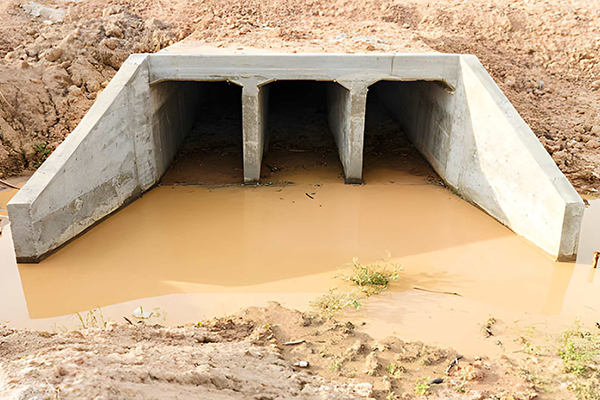
Drainage infrastructure systems are important in daily lives to carry wastewater away. However, during rainstorms, highly turbid water is discharged by stormwater retention ponds and urban drainage channels, which will carry sediments into rivers. This can heighten the risk of floods occurring, whether its due to the clogging of the drainage systems or an increased volume in rivers due to high sedimentation.
Reduce The Risk Of Floods With EcoClear Nanotech Gel Blocks
EcoClear is Aquaz Nuova’s solution to mitigating and reducing the risks of floods occurring. With our eco-friendly nanotech polymer gel blocks, it will help sediment floating solids in liquids within minutes by inducing rapid flocculation. This makes it easy to treat water and reduce its turbidity before it is discharged, thus reducing the risk of flooding. Our gel blocks do not need any electricity or any additional machinery to operate. Just by simply plugging EcoClear into any flowing water, you’ll treat water and improve its clarity.
WHAT WE DO
Key Applications In Flood Mitigation & Drainage Operations
Reducing Sediment Buildup In Drainage Channels
During heavy rainfall, stormwater often carries fine silt, clay, and organic matter into drainage networks, causing blockages and reducing flow efficiency. EcoClear Nanotech Gel Blocks help minimize siltation by promoting the rapid aggregation and settling of suspended particles. When placed in strategic inflow or collection points, they release active agents that flocculate fine sediments, preventing them from being transported further downstream. This process helps maintain consistent water flow, reduces the risk of localized flooding, and extends the operational lifespan of the drainage network.
Improving Water Clarity & Turbidity Control
Floodwater and stormwater runoff can quickly become turbid due to suspended solids, oils, and other pollutants. Our gel blocks work continuously to reduce turbidity by binding fine particles into larger, heavier flocs that settle more easily. This leads to visibly clearer water and ensures that any discharged or diverted water meets Department of Environment (DOE) or equivalent regulatory standards. By keeping turbidity under control, gel blocks help improve overall drainage efficiency and reduce the pollutant load entering natural waterways.
Protecting Pump Stations & Retention Ponds
Sediment-laden water often leads to frequent clogging in pumps, sumps, and retention ponds—key components in flood control infrastructure. The use of gel blocks upstream helps lower sediment concentration, protecting mechanical equipment and reducing wear and tear. With less sludge accumulation, pump stations operate more efficiently, and retention ponds maintain their designed storage capacity. This preventive approach minimizes downtime, lowers maintenance costs, and ensures the entire flood mitigation system remains fully functional during peak rainfall events.
Supporting Eco-Friendly Urban Drainage Management
Our EcoClear gel blocks are formulated with non-toxic, biodegradable components that make them safe for use in sensitive aquatic environments. Unlike traditional alum or PAC-based treatments, they do not alter pH or introduce harmful residues into water systems. Their environmentally friendly nature aligns with sustainable urban drainage (SuDS) principles, making them ideal for use in cities striving to balance development with ecological preservation. This green chemistry approach ensures effective water treatment without compromising surrounding ecosystems.
Reducing Maintenance & Operational Costs
The solid, self-dosing format of EcoClear gel blocks simplifies on-site operations by eliminating the need for chemical tanks, pumps, or manual dosing systems. Once deployed, they provide consistent treatment over extended periods, reducing the frequency of desilting and manual cleaning activities. This translates into lower operational costs, fewer site visits, and reduced manpower requirements. By streamlining maintenance routines while improving treatment outcomes, gel blocks offer a cost-effective solution for long-term flood and drainage management.
SOLUTIONS
The Aquaz Solutions For Flood Mitigation

Preemptive Installation of Ecoclear Gel Blocks
Integration with Geosynthetic Solutions
FAQs
Frequently Asked Questions
The lifespan of a water treatment gel block depends on flow rate, water quality, and environmental conditions. In general, each block provides effective treatment for 2 to 4 weeks in moderate flow conditions. Faster currents or high sediment loads may shorten this duration, while calmer environments can extend it.
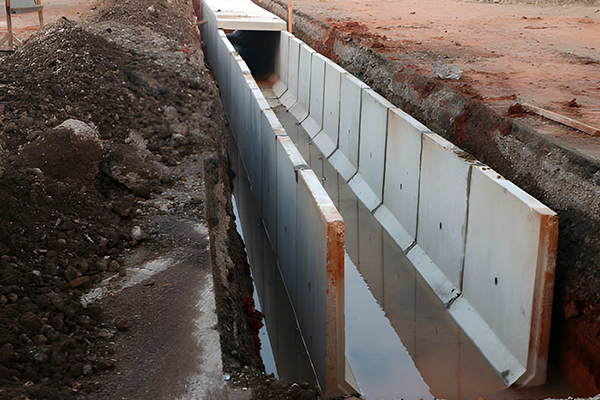
Yes. Water treatment gel blocks are highly versatile and can be applied in both urban storm drains and rural flood channels. They work effectively in concrete-lined drains, earthen waterways, culverts, and retention systems—offering consistent treatment performance regardless of setting.
Absolutely. Gel blocks are ideal for retention and detention ponds, where they help reduce turbidity, control algae growth, and manage suspended solids. Their slow-release action ensures ongoing water quality improvement without disturbing aquatic habitats.
No special installation is required. The blocks can be placed directly in water inflow points, sumps, or channels, secured using mesh baskets or holders if needed. Maintenance is minimal—simply replace the block once it has fully dissolved or after its active period has elapsed to maintain continuous treatment performance.

OUR COMMITMENT TO SUSTAINABILITY
Find Out More About EcoClear Nanotech Polymer Gels Here!
Our EcoClear Nanotech gel blocks will help mitigate the risks of any potential floods from occurring by removing floating solids from water to prevent any clogs in the drainage pipes or any increase in river volume from sediment discharge.