
The Challenges Faced By Water Treatment Plants
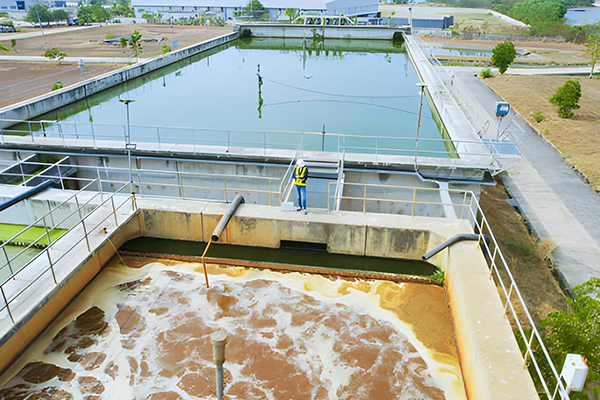
Water treatment is a key process in daily life, ensuring that water is clean and can be drunk, used for applications such as irrigation, and preventing the spread of waterborne diseases. However, conventional treatment plants utilise a wide range of chemicals and polymers, including PAC and alum, which leads to high operating expenses and generates a large amount of sludge, especially during seasonal turbidity spikes.
Using EcoClear to Reduce Polymer Consumption
We at Aquaz Nuova have developed a product that will help improve water clarity while reducing the consumption of chemicals and polymers, and this comes in the solution of EcoClear Nanotech Polymer Gel. This simple gel block is your plug-and-play solution to turbidity, condensing sediments into flocs within minutes without the need for any additional machinery or any form of electricity.
WHAT WE DO
Key Applications In Water Treatment Plant Operations
Enhancing Coagulation & Flocculation Efficiency
Our gel blocks significantly improve the coagulation and flocculation stages by promoting faster particle aggregation and settling. Unlike traditional alum or PAC systems that require manual dosing and constant adjustment, our gel’s controlled-release polymers disperse evenly over time, allowing fine suspended solids to form denser, more stable flocs. This leads to quicker sedimentation, reduced chemical waste, and more predictable treatment performance—particularly beneficial in plants dealing with variable raw water quality.
Improving Clarification & Filtration Performance
By achieving more effective floc formation, EcoClear helps produce clearer water at the clarification stage, easing the load on downstream filtration units. The reduction in suspended solids lowers filter clogging rates, extends filtration cycles, and reduces the frequency of backwashing. As a result, plants experience lower water and energy consumption while maintaining consistently high output clarity—an advantage for both municipal and industrial water treatment facilities.
Optimizing Sludge Dewatering & Handling
Another major benefit of using gel blocks is improved sludge management. The stronger, more compact flocs formed during treatment lead to sludge with higher solids content and reduced water retention. This enhances dewatering efficiency and reduces the total sludge volume requiring disposal. With fewer handling requirements and lower transport or drying costs, plants can operate more sustainably and economically without compromising performance.
Maintaining Consistent Water Quality During Variable Inflows
Water treatment gel blocks are designed to release their active agents gradually, ensuring steady performance even when raw water characteristics fluctuate due to rainfall, runoff, or seasonal changes. This slow-release mechanism maintains balanced coagulation and flocculation activity over extended periods, preventing sudden drops in water quality. Operators benefit from stable turbidity levels and improved operational control without the need for constant manual intervention or real-time dosing adjustments.
SOLUTIONS
Aquaz's Solution & Benefit

Using EcoClear as a Pretreatment Step
Appropriate Coagulant Loads are Then Added
FAQs
Frequently Asked Questions
In many cases, water treatment gel blocks can partially or fully replace traditional alum or PAC systems, depending on the plant’s design and water quality requirements. They provide comparable coagulation and flocculation efficiency with less manual dosing and lower chemical consumption. However, for plants with highly variable raw water conditions, gel blocks are often used as a complementary treatment to enhance stability and reduce reliance on liquid coagulants.
Yes. Gel blocks are versatile and can be used in both raw water intakes and treated water polishing stages. In raw water, they help remove suspended solids and turbidity before filtration, while in the treated stage, they can aid in maintaining clarity and reducing residual fine particles prior to storage or distribution.
The lifespan of a gel block depends on flow rate, water quality, and placement. In high-flow systems, they typically last between two to four weeks before full dissolution. Their controlled-release formulation ensures consistent dosing throughout this period, maintaining treatment effectiveness without frequent replacement.
No. Water treatment gel blocks are formulated to be pH-neutral and chemically stable, ensuring they do not alter the natural mineral balance of the treated water. Unlike alum-based coagulants, they do not lower pH or contribute to residual aluminum levels, making them safe for both environmental discharge and potable water applications.

OUR COMMITMENT TO SUSTAINABILITY
Find Out More About EcoClear Nanotech Polymer Gels Here!
With EcoClear, water treatment plants can reduce the consumption of polymer and chemicals by 20-40%, while improving the clarity of water and improving their filter performances due to less sedimentation within the water itself. It will also help with operating costs, lowering sludge handling and disposal costs, making it more cost effective.